
Creating a homestead/garden plan in writing helps lead your decisions. I have been known to plant willy nilly and put up fences where I needed cars to go through and generally am good at making rash decisions! This time, I am attempting to be organized. Mostly because we are on the smallest plot of land we’ve had in years and years, so I have to be smart. 1/16 of an acre can be incredibly prolific, however, and you can certainly create a regenerative ecosystem anywhere.

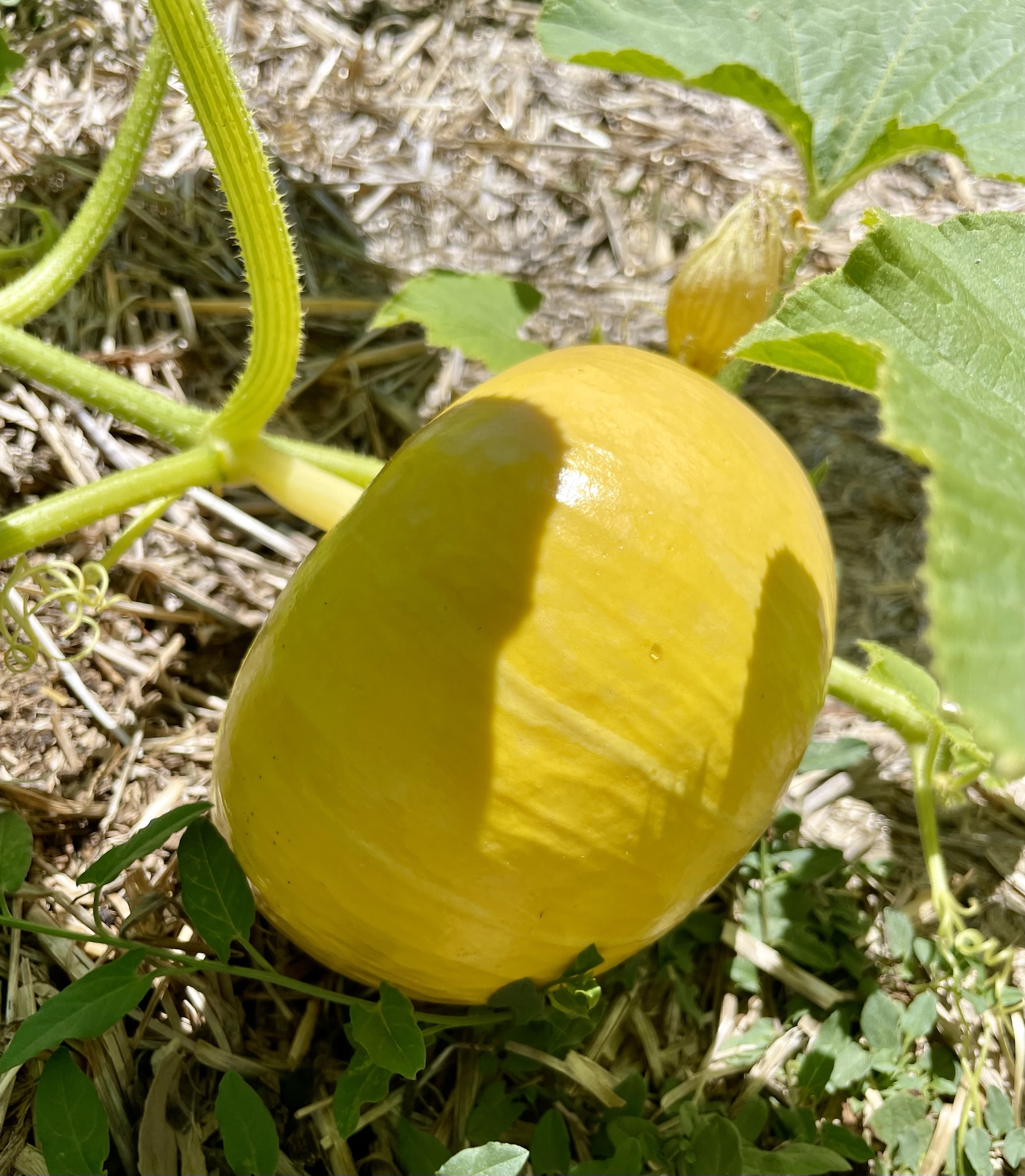


When the grasshoppers came this year, folks started spraying like crazy. The grasshoppers were taking things down to the ground. We’re talking biblical proportions. A lot of folks started using things like Pyrethrum and EcoDuo, both of which are “suitable for organic gardening” and are made from “chrysanthemums and orange peels” and unicorn dust mixed with poisons. A sustainable and regenerative garden or farm doesn’t use these things. Pesticides cannot differentiate between a grasshopper and a bee, a ladybug or a squash bug. Granules will kill grasshoppers and crickets and harm the birds and lizards that consume them.
What happens if one kills all the bugs? What will the birds eat? Who will pollinate the plants? Regenerative gardening takes out the narcissisms that we humans tend to have. The food is ALL mine! I will kill anything that effects my production. Regenerative gardening increases biodiversity in order to create a more prolific ecosystem for all. One can actually change the weather just by creating a food forest and biodiverse ecosystem, no matter how big the space. That’s incredible.
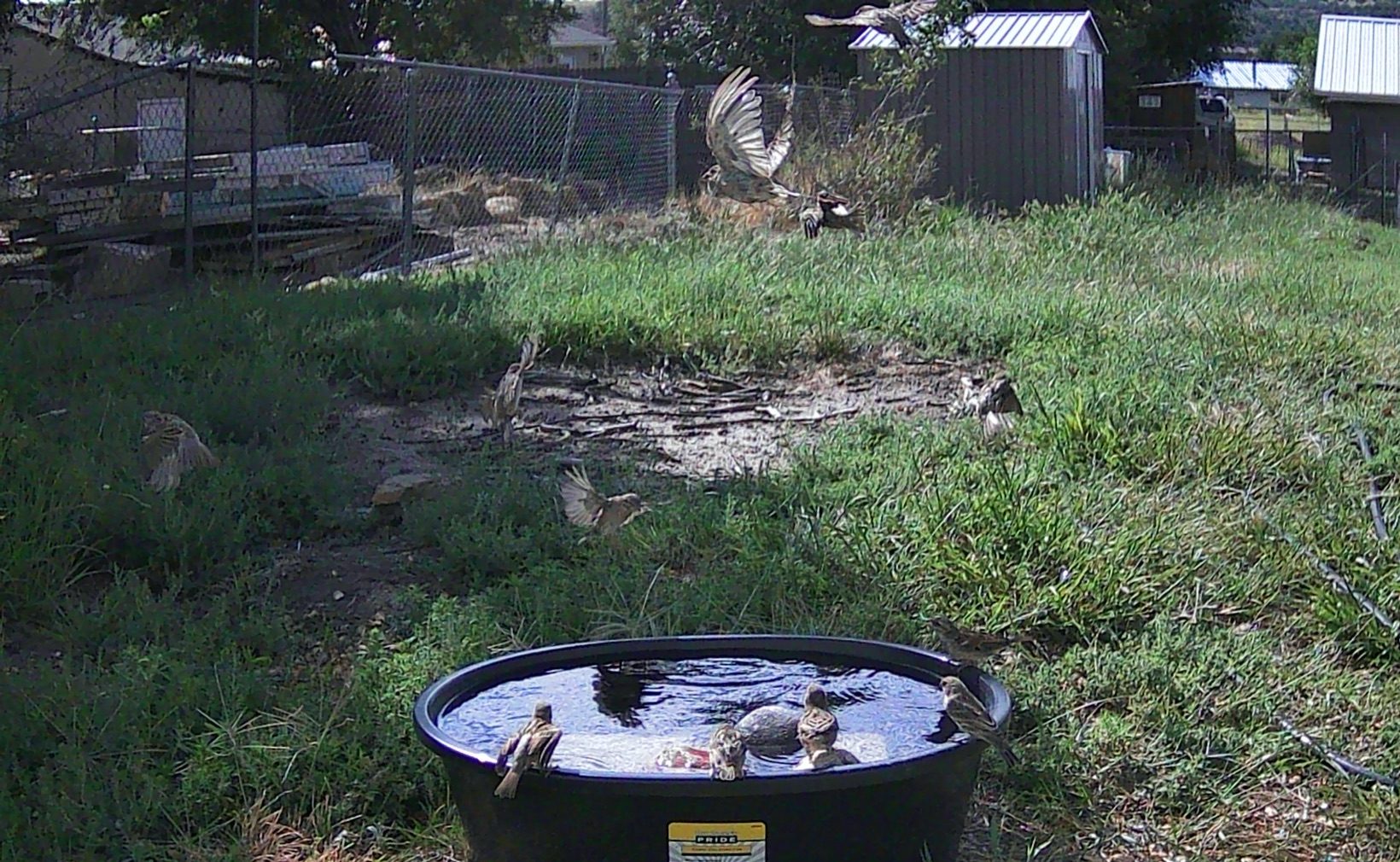
When the grasshoppers came and destroyed nearly every medicinal herb I planted, all the seedlings, and the new bushes, I simply fed the soil. Fed the bioorganisms in the soil. This is new land for me, so I gave myself grace and time to get to know the land. The neighbors sprayed Round Up, we mowed the weeds. I put up bird feeders and a mini pond and brought in hundreds of birds who ate the grasshoppers. The deer came to drink and their droppings fed the soil. I fence off or cover what I don’t want the deer to eat. Simple as that. Work with nature!
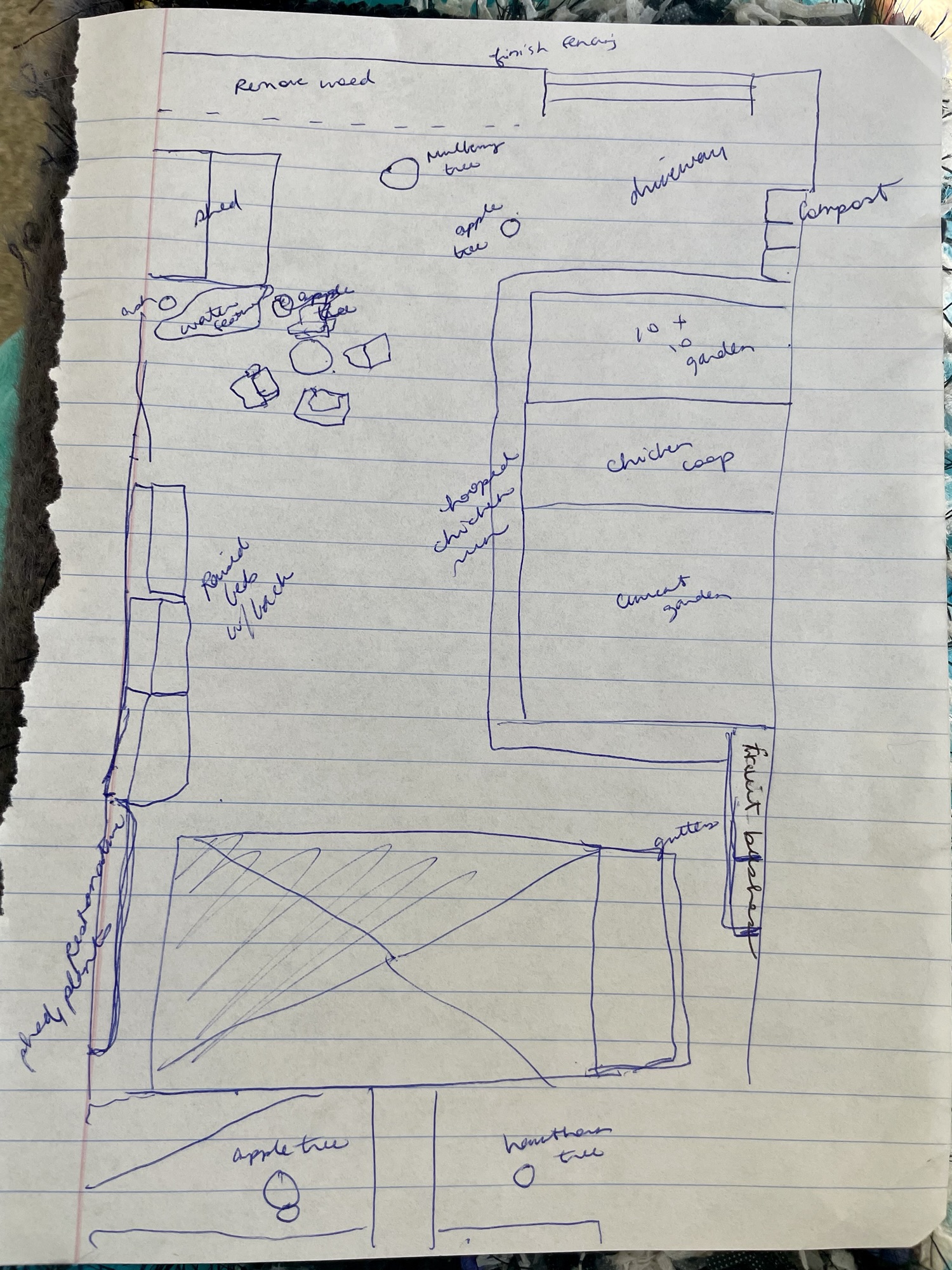
I drew out where I would like an in-ground, small pond and a seating area near it. I placed imaginary fruit trees on my map and a place for a chicken coop in between garden areas to help with grasshopper control. There are places for perennials that the deer do not like, and areas of things, like sunflowers, that they are welcome to eat when the season comes. There are bird feeders, hummingbird feeders, places for deer to rest, for foxes and raccoons to bring their young, places for water, for bocce, for food production. All in a small yard. Once they are drawn out, we can slowly create each section as finances allow.
Creating a space with lots of perennial food plants allows for a food forest to begin, where a mix of diverse plants-annual and perennial- assure food in any given year. Allowing wildlife in allows for checks and balances within the ecosystem. It is a healthier system for our little section of the planet and for ourselves. We are eating truly organic food.
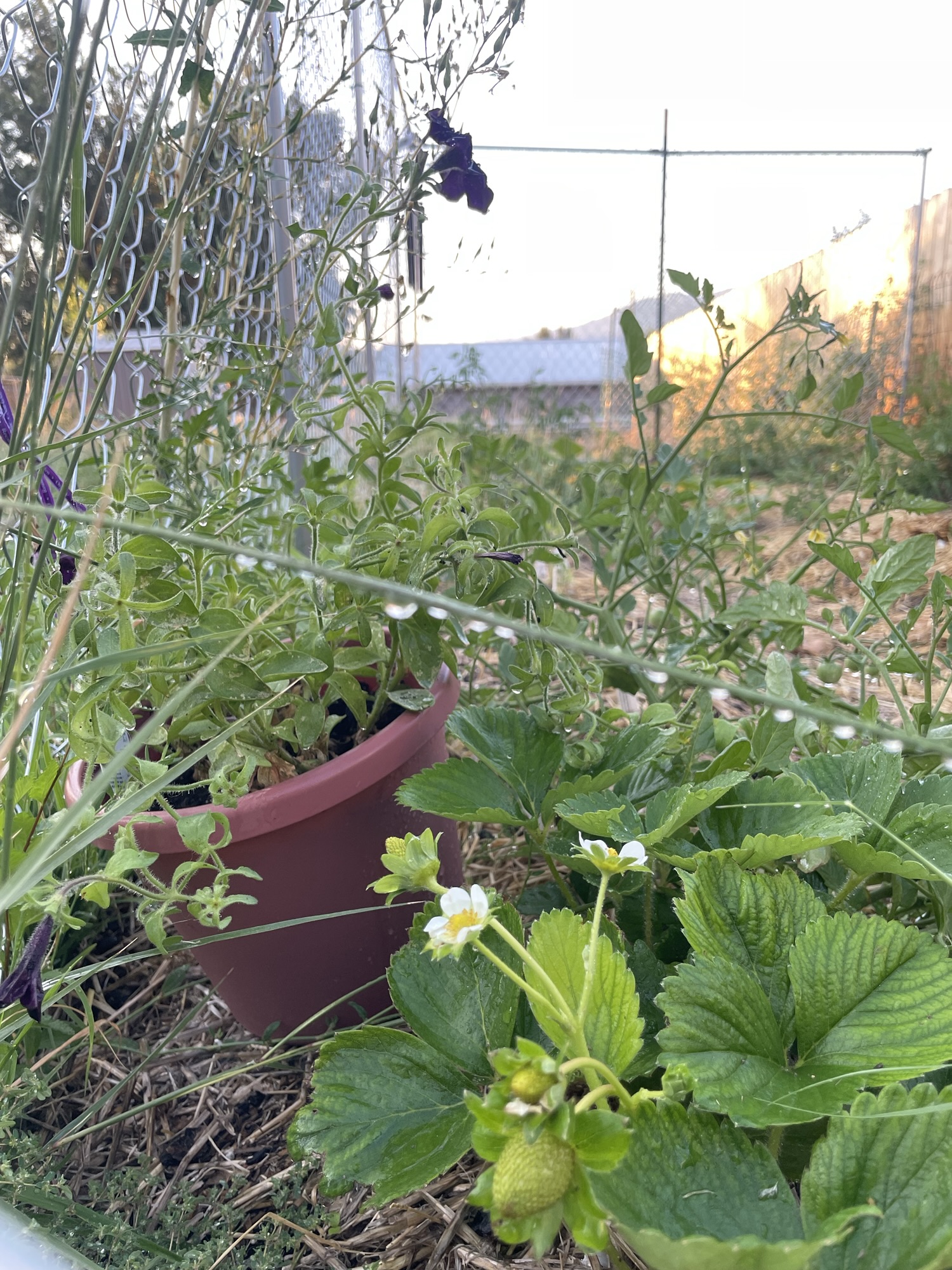
My garden is now prolific, only one season in. Almost all of the herbs that I thought were dead have returned as the birds eliminate the pests. The bees are enjoying the pumpkin flowers. Hundreds of tomatoes are getting ready to ripen. I lost a lot of plants- they even ate the garlic!- but next year, and the year after, will be better. I will continue to feed the soil with compost and worm castings. Dream, plan, water.
What do you wish for in your homestead gardens?
 Farmgirl School