
I have been an herbalist, doula, and educator for a long time. I am left in wonder so often at the power of plants. Whatever I think they will do, or what they have traditionally been used for, they do more. So, why don’t people take them seriously anymore?
Just in the last century, we find the advent of pharmaceutical companies. Company being the key word here. It is a business, just like any other business, and they need profits to stay afloat. Nothing kills a bottom line more than knowledge. The internet is filled to the brim with warnings about herbs, but why? Who put those warnings out there?

“Herbs are dangerous and don’t work.” However, the pharmaceutical companies take the very herb they warn against into a lab to find out why it works. Currently, there is a flower in a lab being dissected and studied for its ability to heal AIDS. (We’re looking at you Black Eyed Susan.) It cannot be patented as a flower. There is no profit in that anyway. The scientists will isolate what they believe is the constituent that makes the herb work and will change its form into a chemical body double and make a new medicine with it. (Feverfew is Imitrex, Turmeric is Coumadin, St. John’s Wort is Gabapentin…)
The problem with that theory is that we need the whole plant to work. Once you isolate and change the structure to something artificial, side effects occur, where there wouldn’t by just taking the plant. For instance, St. John’s Wort is one of the most used beginnings of medications out there. It is used in nearly every anti-depressant, chronic pain medication, and even for medicines to stop smoking. But, once its in its fake pharma form, it becomes dangerous. One only needs to listen for a few seconds at the end of commercials to hear the side effects. Such as, a desire to commit suicide. I am not speaking against the pharmaceutical companies, they will tell you themselves. There are no side effects when one takes St. John’s Wort. Lots of myths and misinformation out there, but no side effects. (Don’t take with pharmaceutical MAOI’s, which is the derivative of St. John’s. They don’t play nice together.)
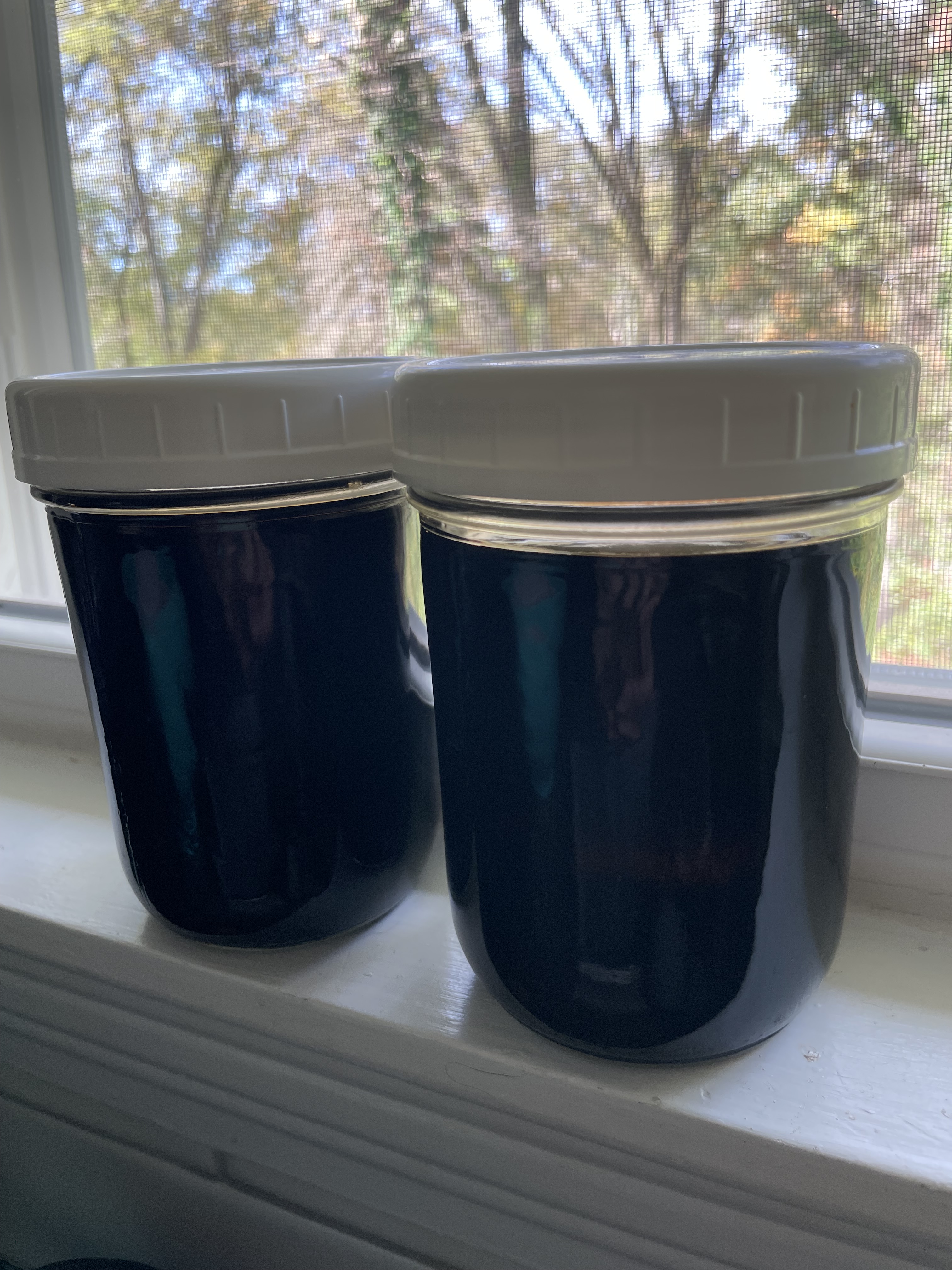
“I’ve taken herbs, they didn’t work.” Why didn’t herbs work for some people? Let’s take a look on how remedies are made. There are some things that can be explained, like, herbs in capsules will not work. They can’t work. It’s like nibbling on the end of a leaf. The properties haven’t sufficiently been pulled out. Your body has to dissolve the capsule to get that tiny bit of plant material. It’s a huge waste of time and money. The herbs typically need liquid to get the most properties from them.
Did you get the remedies from a qualified herbalist? Is your herbalist and actual healer? A lot of study and experience goes into making traditional remedies, as well as a Creator-given gift to make them work. I cannot tell you why that is, but it is true. There are things we say when we harvest the plants and whilst making the remedies; this is a calling, our purpose. Things that are mass produced at the health food store cannot have the same energetic healing ability as something handmade with intention. That goes for everything out there, I suppose.
“I tried Black Cohosh, it didn’t work.” Another reason the herbs may not have worked, is because they were not blended properly. One does not just take black cohosh. Very rarely do we take a single herb. The herbs have different properties in them that help each other to work better. The herbs fall into families that help the nervous system, or the muscular system, and so forth, and those work together. I use a strong herb in the desired category surrounded by a few milder herbs to fill in the gaps and smooth out the remedy. Such as Valerian with chamomile and hops. Black cohosh does not work by itself because it helps the body create its own healthy estrogen, but the body also will need to balance progesterone and testosterone. (with wild yam and damiana for instance.)
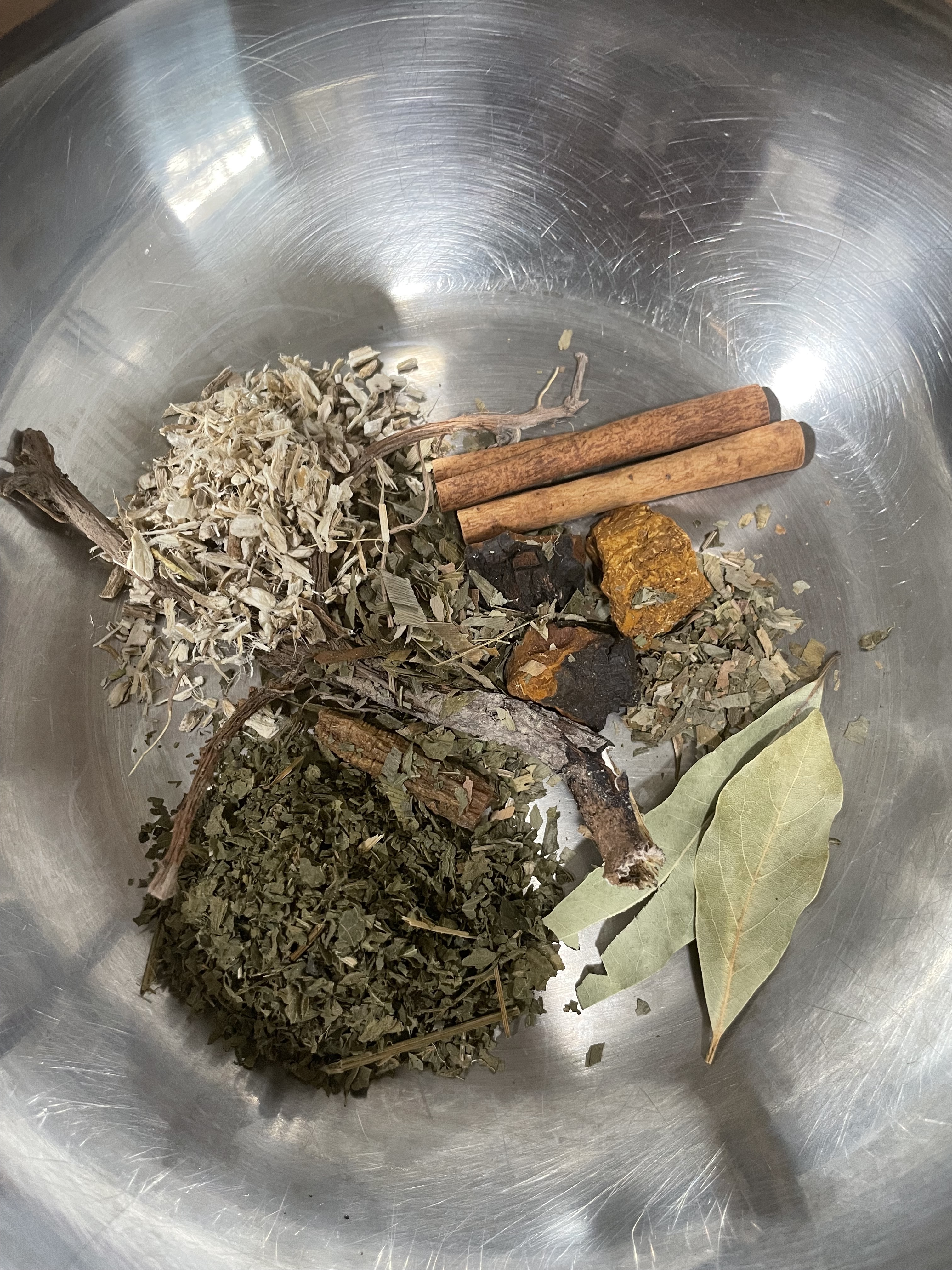
Herbalism is fascinating. A never ending learning experience. And a life saver in many, many cases. I could tell you stories and testimonials for months on end. It is something good to learn, minor emergency and first aid herbalism at the very least. Here is one my recipes for wound healer.
Wound Healer
In a 1 pint jar add 1 Tablespoon each: oak leaves (or witch hazel), yarrow (or plantain), comfrey (or calendula), and barberry root (or oregon grape root). Fill with vodka. Screw on cap and shake occasionally. Let it sit in the window for about a week then place it in a cupboard for another three weeks. To put together wound healer, strain 1 ounce of liquid into a jar or bottle and add 1 ounce of water and 2 ounces of aloe gel. Add 10 drops each lavender and tea tree essential oil.
This blend helps heal burns overnight, can be used in place of Neosporin, poured into a wound or help heal a cut faster. It is safe to use on animals (to use on cats, omit the essential oils). This remedy stays good for years.
(Note: as we have to do now, I have to say y’all know I am not a doctor, I’m an herbalist. Don’t take my word for it, do your own research. Don’t go stopping all your medicines now, but maybe read the pamphlet that comes with it and educate yourself. There is a path for all of us, and a place for modern medical and old remedies.)
 Farmgirl School